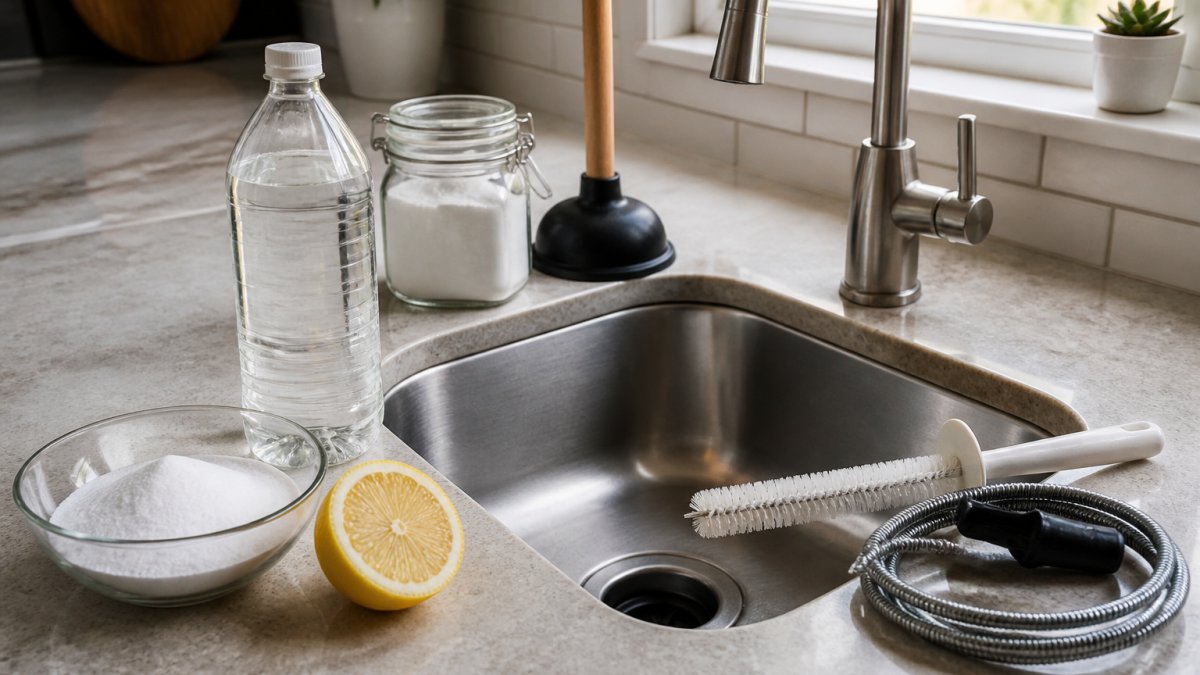
Alternatives to Chemical Drain Cleaners for Homes
Table of Contents
- Why Avoid Chemical Drain Cleaners
- Best Tools for Clearing Residential Clogs
- Natural Methods That Work Without Chemicals
- How Often Should You Clean Home Drains
- Signs of a Main Sewer Line Blockage
- When to Call a Professional Plumber
- Conclusion
- Frequently Asked Questions
Last Updated: October 2, 2026
Why Avoid Chemical Drain Cleaners
Chemical drain cleaners might seem like the quickest fix for a clogged pipe, but they come with serious drawbacks that often outweigh the convenience. These harsh products can damage your plumbing system, harm the environment, and pose safety risks to your household, especially if you have children or pets.
The caustic chemicals in drain cleaners eat through clogs by generating intense heat and corrosive reactions. While this works on the blockage, it also weakens pipes over time, particularly older ones made of cast iron or PVC. Once you start using chemical cleaners, you may find yourself buying them repeatedly as pipes deteriorate. Many homeowners in Denver and surrounding areas discover that one treatment leads to recurring problems within months.
Beyond plumbing damage, these products release toxic fumes that irritate your lungs and eyes. They're hazardous if they splash on skin or clothes. And if you need a plumber to come out after a chemical cleaner has already been poured down the drain, you're putting that technician at risk, the residual chemicals can react unpredictably when mixed with other solutions or disturbed during professional work.
The good news: there are effective alternatives to chemical drain cleaners that work without the damage, danger, or environmental harm. Plunge Plus helps homeowners in the Denver area solve drainage problems using professional methods that protect your pipes.
Best Tools for Clearing Residential Clogs
When a drain backs up, you don't always need chemicals. Several proven tools can clear most residential clogs quickly and safely. The right choice depends on where the clog is located and how severe it is.
Plungers and Manual Methods
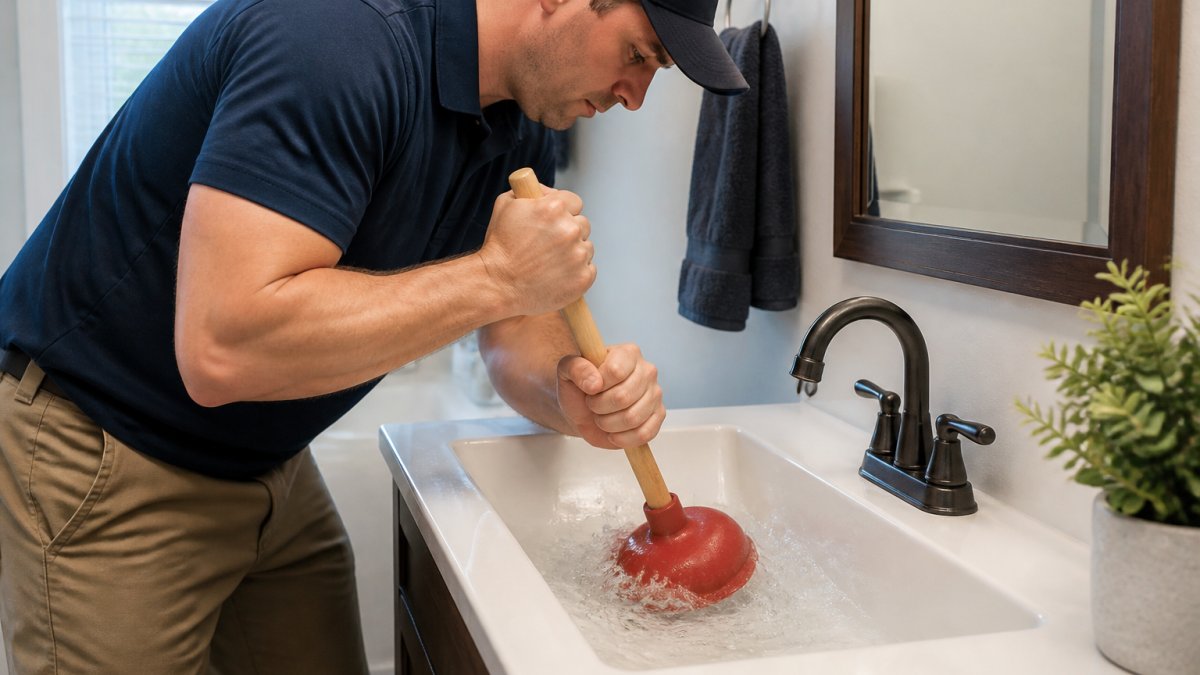
A plunger remains one of the most effective tools for clearing kitchen and bathroom clogs. The suction-and-pressure action dislodges blockages without chemicals or damage to your pipes. For best results, fill the sink or tub with enough water to cover the plunger cup, then pump vigorously 15-20 times. The key is creating an airtight seal around the drain opening.
Different plunger types work better for different situations. A cup plunger works well for sinks and tubs. A flange plunger (the kind with an extra rubber piece inside) is designed specifically for toilets and creates a better seal. Most clogs in the first few feet of a drain respond well to plunging within 5-10 minutes of effort.
Drain Snakes and Augers
A drain snake, also called a plumbing auger, is a flexible cable that physically breaks up or pulls out blockages deeper in your plumbing line. Manual drain snakes are affordable and work well for clogs in the first 15-25 feet of pipe. You feed the snake down the drain, rotate the handle to catch the clog, then pull it back out.
For tougher jobs, powered augers deliver more force and can reach farther into your drain system. These are often rented from hardware stores for a day or two, making them a cost-effective option before calling a professional. The learning curve is gentle, most people figure out the basic technique in minutes.
Drain snakes work particularly well for hair clogs in bathroom drains and food buildup in kitchen pipes. They're also safe to use after other methods have failed, since there's no chemical reaction risk if you switch approaches mid-job.
Wet/Dry Vacuums
A wet/dry vacuum can pull blockages out of a drain with surprising effectiveness. Set the vacuum to liquid mode, create a seal around the drain opening with the hose, and turn it on. The suction force can dislodge clogs that plunging couldn't move.
This method works best for clogs within the first few feet of the drain and for debris that's loosely packed. It's particularly useful when you can see the clog material (like a ball of hair) and want to extract it rather than push it deeper. Wet/dry vacuums are also safe around older pipes since there's no chemical or mechanical stress on the plumbing itself.
Natural Methods That Work Without Chemicals
If you prefer not to use tools, several household ingredients can clear minor clogs and keep drains flowing smoothly. These methods are safe, inexpensive, and gentler on your plumbing system than commercial chemical cleaners.
Baking Soda and Vinegar
The combination of baking soda and vinegar creates a fizzing reaction that can break up minor clogs and clean drain walls. Pour half a cup of baking soda down the drain, followed by half a cup of white vinegar. Cover the drain opening and let it sit for 15-30 minutes while the reaction works. Then flush with hot water.
This method is most effective for slow drains and preventive maintenance rather than severe blockages. The fizzing action helps dislodge buildup and deodorizes the drain naturally. Many homeowners use this approach monthly to keep drains clear and fresh-smelling without any harsh chemicals.
Hot Water and Salt
Pouring boiling water down a drain can melt grease buildup and flush away loose debris. For extra cleaning power, dissolve half a cup of salt in the boiling water first. The salt acts as a mild abrasive that helps scrub the inside of pipes.
This approach works best for kitchen drains clogged with grease and soap residue. It's quick, uses materials you already have at home, and poses no risk to your plumbing. Repeat every few weeks as preventive maintenance to keep grease from building up in the first place.
Be careful with this method on older pipes or PVC drains, extremely hot water can sometimes cause issues. If your pipes are older, use very hot (but not boiling) water instead.
Enzyme-Based Cleaners
Enzyme-based drain cleaners use naturally occurring microorganisms to break down organic material like hair, food, and soap buildup. Unlike chemical cleaners, these products work slowly over several hours but are completely safe for pipes and the environment.
You pour the enzyme cleaner down the drain, let it sit overnight, then flush with water. These cleaners are most effective for regular maintenance and slow drains caused by organic buildup. They won't clear severe blockages quickly, but they're excellent for preventing clogs from forming in the first place.
Many enzyme cleaners are available at hardware stores and online retailers. They're more expensive than baking soda or vinegar but less costly than repeated chemical cleaner purchases or professional service calls.
How Often Should You Clean Home Drains
Regular drain maintenance prevents most clogs from forming in the first place. The frequency depends on your household habits and drain usage.
For most homes, running hot water down drains weekly and using baking soda and vinegar monthly keeps pipes flowing smoothly. If you have a larger household, do more cooking, or have longer hair, you may need to clean drains more frequently, perhaps every two weeks.
Kitchen drains need more attention than bathroom drains because grease and food particles accumulate faster.
| Drain Type | Recommended Frequency | Best Method |
|---|---|---|
| Kitchen sink | Weekly hot water flush + monthly baking soda/vinegar | Hot water, salt, or enzyme cleaner |
| Bathroom sink | Weekly hot water flush + monthly maintenance | Baking soda and vinegar |
| Shower/tub | Weekly hot water + hair trap cleaning | Hair removal + monthly enzyme cleaner |
| Toilet | As needed (no routine cleaning necessary) | Plunger only if clogged |
Signs of a Main Sewer Line Blockage
A main sewer line blockage is more serious than a single drain clog and requires professional attention. Recognizing the warning signs early can prevent expensive damage to your home's foundation or yard.
When to Call a Professional Plumber
Some drain problems are beyond DIY solutions. Knowing when to call a professional saves time, money, and potential damage to your plumbing system.
Conclusion
Choosing alternatives to chemical drain cleaners protects your plumbing, your family, and the environment. Plungers, drain snakes, and natural methods like baking soda and vinegar solve most household drain problems safely and effectively. For recurring clogs or main line issues, professional service ensures the problem is solved correctly without damaging your pipes. If you're dealing with a stubborn clog or suspect a deeper plumbing problem in Denver or the surrounding areas, Plunge Plus can help, our licensed technicians deliver expert solutions and transparent pricing.
Frequently Asked Questions
Are chemical drain cleaners safe for older home plumbing?
Chemical drain cleaners can damage older pipes, especially those made of cast iron or galvanized steel. The harsh caustic ingredients corrode metal and weaken pipe walls over time. If you have an older home, avoid chemical cleaners entirely. Instead, use a plunger, drain snake, or call a licensed plumber who can safely clear the clog without risking pipe damage.
What is the best natural way to unclog a slow drain?
For slow drains, start with hot water poured slowly down the drain to break up soap buildup. If that doesn't work, try baking soda followed by vinegar, letting it sit for 30 minutes before flushing with hot water. For tougher clogs, a plunger or drain snake removes blockages mechanically. These methods work for most kitchen and bathroom drains without chemical risk.
When should I call a professional plumber for a clog?
Call a professional if DIY methods fail after two attempts, if water backs up into multiple drains, if you suspect a main sewer line blockage, or if you have recurring clogs in the same location. Licensed plumbers have tools like motorized augers and video inspection equipment that safely clear stubborn blockages and identify underlying problems that simple fixes won't solve.
Are enzyme-based drain cleaners better than chemical ones?
Yes. Enzyme-based cleaners break down organic matter like hair and grease naturally without harsh chemicals. They work more slowly than caustic cleaners but are safe for all pipe types and the environment. They're ideal for regular maintenance and slow drains, though they may not clear severe blockages. For heavy clogs, mechanical tools or professional service are more effective.
