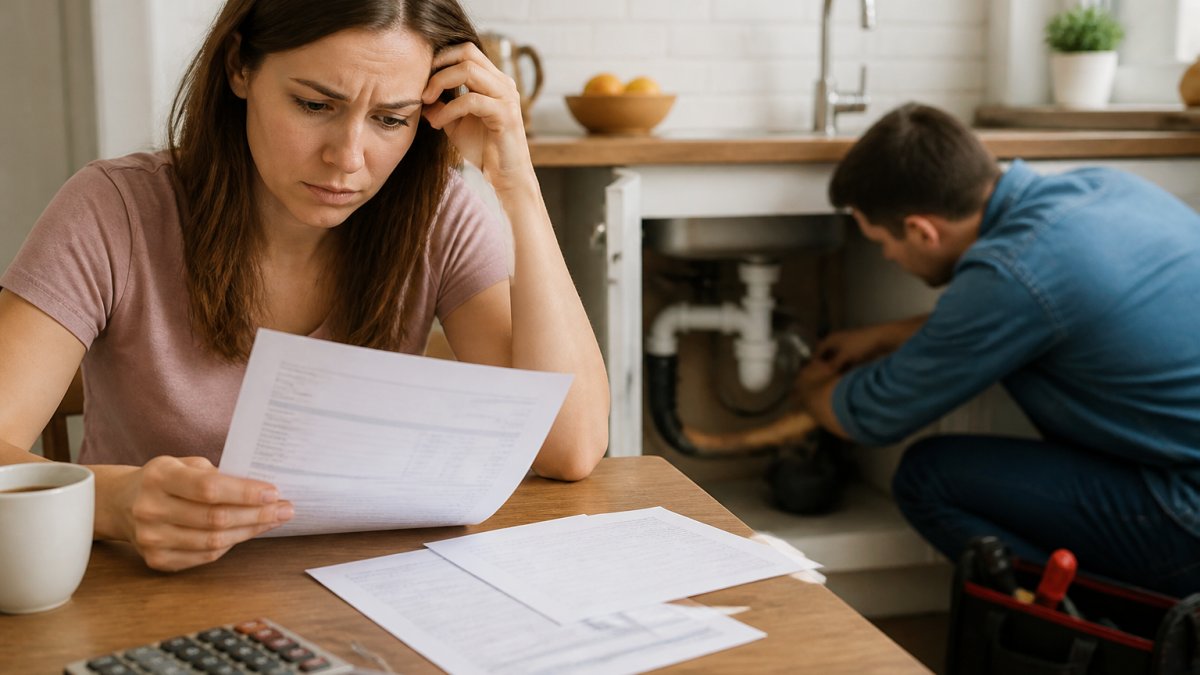
Avoiding Surprise Plumbing Repair Bills in Denver
Table of Contents
- Why Plumbing Repair Bills Catch Denver Homeowners Off Guard
- What a Plumbing Repair Estimate Should Tell You Before Work Starts
- Signs of a Hidden Water Leak That Can Inflate Your Bill
- How Hard Water Effects on Plumbing Add Up Over Time
- Your Seasonal Plumbing Inspection Checklist for Denver Homes
- When Preventive Maintenance Beats Waiting for a Plumbing Emergency
- How to Choose a Plumber Who Won't Surprise You
- Frequently Asked Questions
Last Updated: October 12, 2026
Why Plumbing Repair Bills Catch Denver Homeowners Off Guard
Most homeowners don't plan for a plumbing emergency. That's exactly why the bill hurts. Avoiding surprise plumbing repair bills starts with understanding what drives up costs before you're standing in a flooded basement at midnight.
At Plunge Plus, we've served Denver and the surrounding areas since 2009, and we've seen the same pattern repeat: small problems get ignored until they become expensive ones. A slow drain becomes a burst pipe. A running toilet becomes a water damage claim.
The real issue isn't that plumbing breaks. It's that most homeowners don't know what to watch for until it's too late.
Below, we'll show you exactly how to spot warning signs, read estimates, and build a maintenance routine that keeps costs predictable. The approach we cover has helped homeowners across Denver, Arvada, Westminster, Commerce City, and Wheat Ridge stay ahead of costly repairs.
What a Plumbing Repair Estimate Should Tell You Before Work Starts
A plumbing repair estimate is a written breakdown of expected costs before any work begins. It should list parts, labor, and any potential add-ons.
If an estimate doesn't include those details, ask for them. Transparency upfront prevents surprises later.
Line Items to Look For in Any Estimate
Every estimate should include:
- Parts and materials with specific descriptions
- Labor hours and hourly rate
- Permit costs if required by local code
- Diagnostic fees and whether they're waived if you approve the work
- Contingency language for issues found during the job
If a line item says "miscellaneous" with no explanation, ask what it covers.
Questions to Ask Before You Approve the Work
Before you sign off, get clear answers:
- Is this a fixed price or an hourly estimate?
- What happens if you find additional problems?
- Will I be notified before any extra charges?
- Is there a warranty on parts and labor?
- Are your technicians licensed and insured?
The Colorado Division of Professions and Occupations licensing guide explains what credentials plumbers in this state must hold.
Signs of a Hidden Water Leak That Can Inflate Your Bill
A hidden water leak is water escaping from pipes behind walls, under floors, or in your foundation. You often can't see it, but you pay for it every month.
Here's what to watch for:
- Unexplained spike in your water bill without changed usage habits
- Damp spots on walls, ceilings, or floors
- Musty smell that won't go away
- Sound of running water when nothing is on
- Warm spots on the floor if you have a slab leak
The U.S. EPA WaterSense program notes that household leaks can waste thousands of gallons annually. That's money down the drain.
If you suspect a leak, shut off your water main and call a professional. The sooner you act, the less damage you'll face.
How Hard Water Effects on Plumbing Add Up Over Time
Hard water effects on plumbing are cumulative. Minerals build up inside pipes and appliances, slowly reducing efficiency and shortening lifespan.
Denver's water supply contains dissolved calcium and magnesium. Over years, these minerals form scale inside your pipes.
The damage shows up in predictable ways:
- Water heater works harder and fails sooner
- Fixtures clog and lose pressure
- Pipes narrow, increasing strain on your system
- Appliances like dishwashers and washing machines wear out faster
A water softener or descaling routine can slow this process. But once scale has built up, you may need professional attention.
Your Seasonal Plumbing Inspection Checklist for Denver Homes
A plumbing inspection checklist helps you catch problems before they become emergencies. We recommend running through it twice a year.
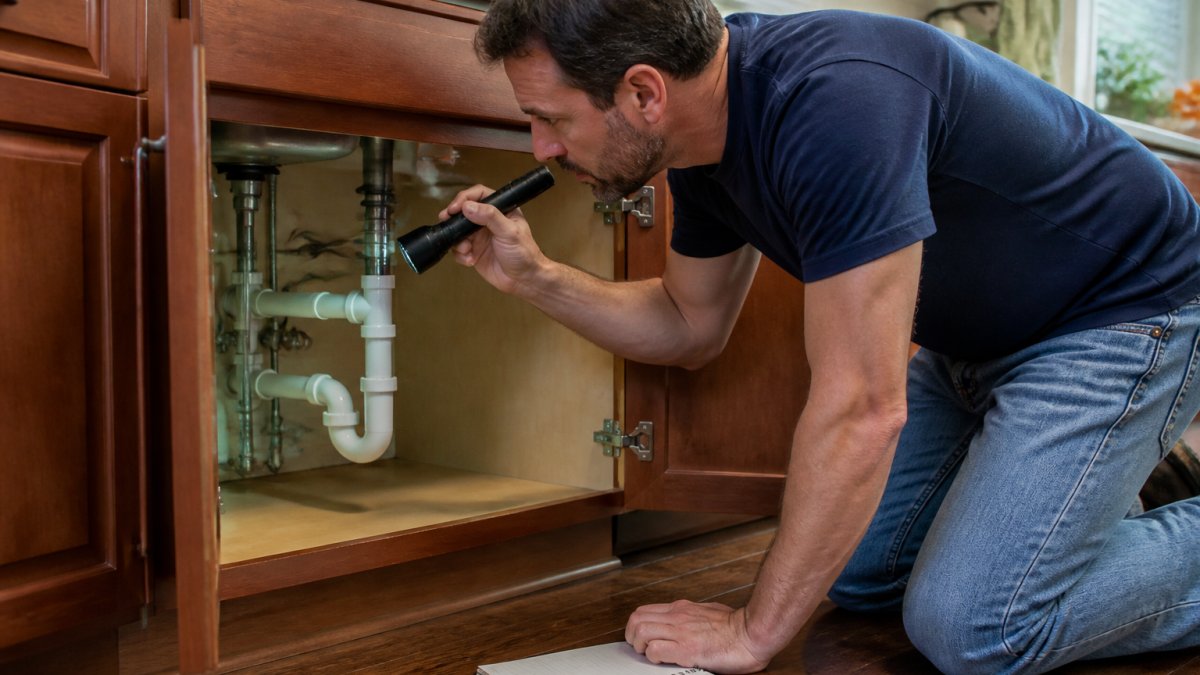
Spring and Summer Checks
- Check outdoor spigots for leaks or damage from winter
- Inspect visible pipes in the basement or crawl space
- Test your sump pump if you have one
- Look for signs of leaks around toilets and sinks
- Clear any debris from exterior drains
Fall and Winter Checks
- Disconnect garden hoses and drain outdoor lines
- Insulate exposed pipes in unheated areas
- Test your water heater's pressure relief valve
- Check for drafts near pipes entering the home
- Know where your main shut-off valve is located
Denver's freeze-thaw cycles are hard on pipes. The CDC guidance on preventing burst pipes recommends keeping your home heated even when you're away.
When Preventive Maintenance Beats Waiting for a Plumbing Emergency
Preventive maintenance costs less than emergency repairs. That's not a sales pitch. It's math.
Emergency calls often come with after-hours rates, urgent part sourcing, and water damage that insurance may not fully cover. A routine inspection catches the same issues while they're still small.
Many homeowners find that annual maintenance visits pay for themselves by avoiding one major repair. The key is consistency. One inspection every few years won't cut it.
If you're in Denver and dealing with recurring drainage issues, local soil conditions can make things worse. Expansive clay soil shifts with moisture changes, stressing underground pipes. That's why we recommend yearly checkups for homes in this area.
How to Choose a Plumber Who Won't Surprise You
The right plumber makes pricing clear before work starts. That's the difference between a repair and a nightmare.
Look for these traits:
- Licensed and insured technicians you can verify
- Written estimates with line-item detail
- Transparent pricing published or explained upfront
- Local presence so they know your area's specific challenges
- Clear communication about what's covered and what isn't
Ask about their process for unexpected findings. A good plumber explains options before proceeding, not after.
For homeowners searching for a reliable plumber near me, check reviews and ask for proof of licensing. A few minutes of research saves hours of frustration.
Plunge Plus is locally owned and operated, and our team is licensed and insured. We provide transparent pricing so you know what to expect before we start.
Frequently Asked Questions
How can I avoid unexpected plumbing repair costs?
The biggest lever is catching problems early. A slow drip under a sink or a toilet that runs for a few seconds after flushing are cheap fixes now and expensive repairs later. Schedule a professional plumbing inspection once a year, watch your water bill for unexplained jumps, and address small leaks before they reach the subfloor or foundation. In Denver's expansive clay soil, even minor underground leaks can shift soil and cause larger pipe damage if ignored.
What should a plumbing repair estimate include?
A written estimate should list the specific parts and labor for each task, not just a lump sum. Ask whether the price covers diagnosis, permits if required, and cleanup. It should also state whether the quoted amount is a firm price or an hourly estimate with a range. A licensed Denver plumber should be willing to put the scope in writing before any work begins, so you can compare it against the final invoice line by line.
How can I tell if a plumbing problem needs immediate attention?
Call a plumber right away if you see water pooling near the foundation, smell sewage indoors, hear water running when nothing is on, or notice the water heater leaking from the tank itself. These signs point to active leaks or pressure failures that worsen by the hour. Minor drips can usually wait for a scheduled visit, but anything involving standing water, gas water heaters, or sewage backup should be treated as an emergency.
How can hard water damage pipes and plumbing fixtures?
Denver-area water carries dissolved calcium and magnesium. Those minerals build up as scale inside pipes, water heater tanks, and fixture cartridges. Over time, scale narrows the inside of pipes, reduces water pressure, and forces the water heater to work harder, which shortens its lifespan. A water softener or periodic descaling of the water heater can slow this process and reduce the frequency of repair bills.
Plumbing problems rarely announce themselves. They build quietly until the bill arrives. With the right maintenance routine and a plumber you trust, you can keep those costs predictable. Plunge Plus offers fast, reliable service with transparent pricing and licensed technicians who treat your home with care. Get started with Plunge Plus and take the surprise out of plumbing repair bills.
