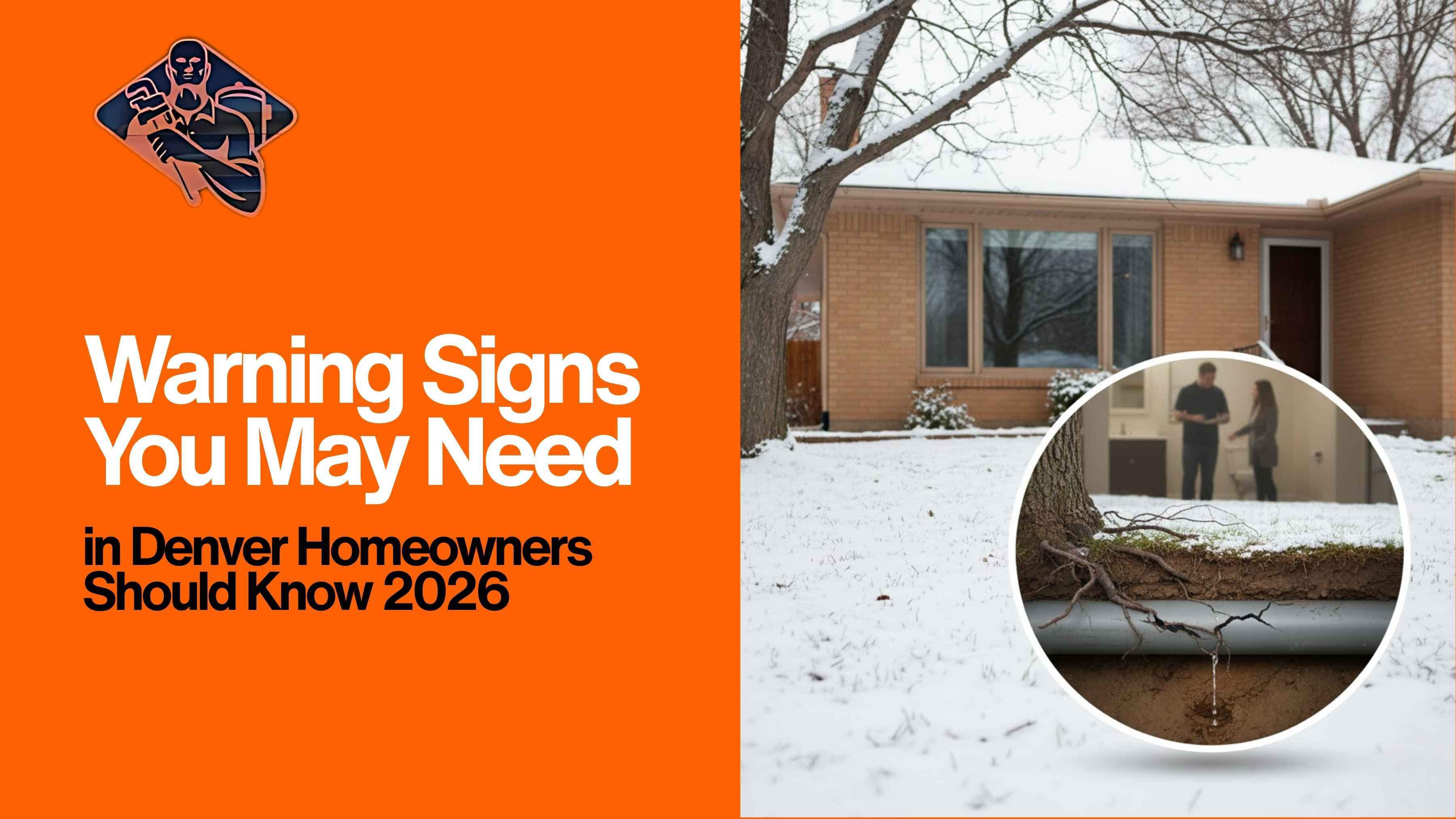
Sewer Line Repair Denver: Warning Signs to Watch for in 2026
Warning Signs You May Need Sewer Line Repair in Denver in 2026
Plumbing problems never happen at a good time. One of the most stressful issues for a homeowner is a broken pipe underground. If you need sewer line repair Denver, you likely have questions about what to look for. Denver has unique soil and weather that can stress your pipes. Knowing the signs early can save you thousands of dollars. This guide will help you spot trouble before it becomes a disaster. We will look at why pipes fail and how to fix them.
Why Your Main Line Matters
Your main sewer line is the most vital part of your plumbing because it carries all waste away to the city system. When this line breaks, your entire home stops working, making it unsafe to flush toilets or run water.
In Denver, infrastructure varies from old clay pipes that crack easily to modern plastic lines that shift with the soil. Most breaks start as tiny cracks that allow roots to enter and dirt to wash away. This creates a void that eventually causes the pipe to collapse or block completely.
Awareness of the Problem
Many people do not think about their sewer until it fails. This is the awareness stage. You might notice small changes in your home. These are "yellow flags" that tell you to pay attention.
Weird Noises in the Walls
Do you hear gurgling when you flush the toilet? This is a top sign of a clog. Air is getting trapped in the line. Instead of water flowing smoothly, it fights for space. This creates a bubbling sound in your pipes.
Strange Odors Near Drains
A healthy sewer system is airtight. You should never smell sewage inside your home. If you smell rotten eggs, a pipe is likely cracked. Sewer gas is escaping and entering your living space. This is a health risk and needs a quick look.
Slow Drains Throughout the House
One slow drain is a local clog. It is usually just hair or soap. However, if every sink and tub is slow, the problem is deeper. It means the main exit point is blocked. This is a classic sign of needing sewer line repair Denver.
Considering the Causes
Now that you know there is a problem, you need to know why. Understanding the "why" helps you choose the right repair. Not every issue requires digging up the whole yard.
Tree Root Intrusions
Denver is famous for its beautiful trees. But roots love sewer lines. They seek out the moisture inside the pipes. They can grow through tiny cracks. Once inside, they expand and break the pipe.
Shifting Soil Conditions
The ground in Colorado moves. We have expansive clay soil. It grows when wet and shrinks when dry. This movement puts pressure on buried lines. It can cause pipes to "belly" or sag. This creates a pool where waste gets stuck.
Common Pipe Materials in Denver
Clay Pipe: Found in older homes. It is brittle and attracts roots.
Cast Iron: Strong but can rust from the inside out.
PVC/ABS: Modern plastic. It lasts a long time but can still shift.
Orangeburg: Old fiber pipe. These almost always need replacement.
Custom HTML/CSS/JAVASCRIPT
Identifying the Red Flags
Urgent red flags like sewage backing up into your shower mean your line is full and needs immediate professional help. Watch for soggy, bright green patches in your yard, which signal that a leaking pipe is fertilizing the soil. Additionally, a sudden pest problem can mean a cracked sewer line is acting as a doorway for rats or cockroaches.
Sudden Pest Problems
Rats and cockroaches live in sewers. If a pipe cracks, they find a path into your home. If you have a sudden influx of pests, check your sewer line repair Denver. They are likely using the crack as a doorway.
Taking Action and Solutions
Once you confirm the problem, you must act. You have several choices for repair. Modern technology makes this easier than it used to be. You do not always have to ruin your landscaping.
Camera Inspections
The first step is a video scan. A technician sends a camera down the line. This shows exactly where the break is. It saves time and money. You only fix what is actually broken.
Traditional Digging
Sometimes, you have to dig. This is used when a pipe has totally collapsed. It involves a trench in the yard. It is the most thorough way to replace an old system.
Trenchless Sewer Repair
This is a popular choice in Denver. It uses "pipe bursting" or "pipe lining." We pull a new pipe through the old one. This saves your driveway and your grass. It is often faster than digging.
Hydro Jetting
If the pipe is solid but full of roots, we use water. High-pressure water blasts away grease and roots. It cleans the pipe back to its original size. This is a great way to prevent future repairs.
Why Local Expertise Matters
Local expertise is vital because Denver has specific plumbing codes and unique rules regarding where a homeowner's responsibility ends, which usually extends all the way to the street. Our cold winters can freeze the ground deep down, so local plumbers ensure lines are buried at the correct depth to prevent shallow or leaking pipes from bursting.
When choosing a team, look for a licensed and insured company that knows Denver neighborhoods and understands the specific soil types in your area to ensure a lasting repair.
Maintenance Tips for Homeowners
You can prevent sewer line repair Denver with a few simple habits. Most clogs are avoidable.
Watch What You Flush: Only flush toilet paper. Never flush wipes or pads.
No Grease in Sinks: Grease hardens like concrete in your pipes.
Annual Checks: Get a camera scan every two years.
Tree Care: Don't plant large trees directly over your sewer line.
Cost Factors to Consider
Repair costs vary. A simple cleaning is cheap. A full replacement is an investment.
Depth of the Pipe: Deeper pipes cost more to reach.
Location: Pipes under concrete driveways are harder to fix.
Length: How many feet of pipe need work?
Permits: You may requires specific permits for sewer line repair Denver.
How Plunge Plus Plumbing Can Help
Since 2009, our team has used camera inspections and transparent pricing with no weekend fees to fix leaks fast and give you total peace of mind. We show you the exact problem on video and offer long-lasting solutions that fit your budget while treating your home with the respect it deserves.
The Importance of Quick Response
Waiting makes the problem worse. A small leak can wash away the dirt under your foundation. This leads to structural damage. If you see signs of trouble, call a professional. It is better to be safe than to have a flooded basement.
Protect Your Property Value
A working sewer system is vital for your home value. If you plan to sell your home, a bad sewer line will fail the inspection. Keeping it in good shape is a smart investment.
Healthy Home, Healthy Family
Leaking sewage is a health hazard. It brings bacteria and mold into your home. A clean, sealed system keeps your family safe from these risks.
Conclusion
A broken sewer line is a big deal, but it is fixable. By watching for the signs, you can catch issues early. Remember to listen for noises and watch your yard for wet spots. Modern technology like trenchless repair makes the process much easier than it used to be.
You do not have to live with the stress of bad plumbing. If you suspect you need sewer line repair Denver, reach out to the experts at Plunge Plus Plumbing. We offer fast service and honest prices to keep your home safe.
Frequently Asked Questions
Q1: How do I know if my sewer line is broken?
A: Look for multiple slow drains, gurgling toilets, or a sewer smell. A soggy spot in your yard is also a major sign.
Q2: Is trenchless repair better than digging?
A: Usually, yes. It saves your yard and takes less time. However, if the pipe has collapsed, digging might be the only choice.
Q3: Does homeowners insurance cover sewer repair?
A: Standard policies often do not cover it. You usually need a special "service line" rider. Check with your agent before a problem starts.
Q4: How long do sewer lines last?
A: Plastic pipes can last 50 to 100 years. Cast iron lasts about 50 years. Clay pipes vary but often fail due to root growth.
Q5: What is the most common cause of sewer failure in Denver?
A: Tree root intrusion and soil shifting are the top two causes for Denver homes.
