Signs Your Anode Rod Needs Replacing | Denver Water Heater Tips
If you live in Denver, your water heater is working harder than you might think. Denver's notoriously hard water, packed with calcium and magnesium, eats through a water heater's protective components faster than average. One of the most important (and most overlooked) of those components is the anode rod. Knowing when to replace it could be the difference between a water heater that lasts 15 years and one that fails in 7.
At Plunge Plus, we see anode rod failure every week across Denver homes. This guide walks you through exactly what an anode rod does, the warning signs it's failing, and how to protect your investment.
What Is an Anode Rod and Why Does It Matter?
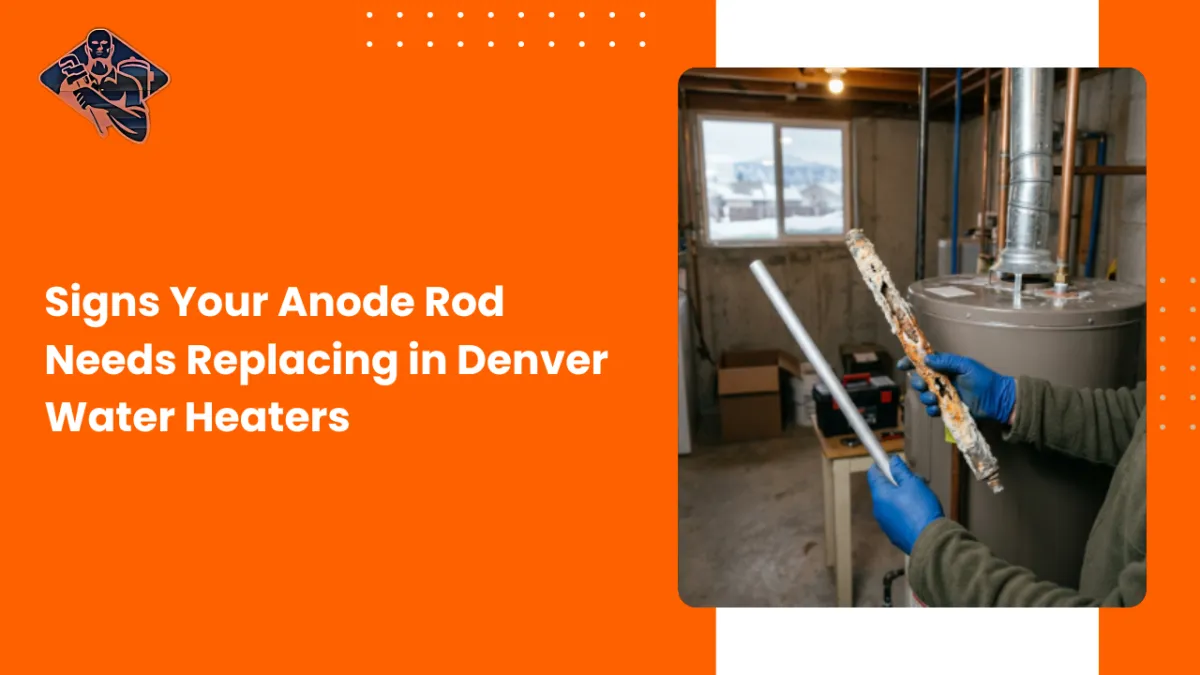
An anode rod is a long metal rod, typically made of magnesium, aluminum, or zinc, that runs through the inside of your water heater tank. It works on a principle called sacrificial corrosion: the rod corrodes so your tank doesn't. Think of it as a bodyguard for your water heater.
Without a functioning anode rod, the metal walls of your tank become the target. Rust, sediment buildup, and eventually leaks follow. In Denver's mineral-rich water environment, this process accelerates significantly compared to regions with softer water.
Most manufacturers recommend inspecting the anode rod every 2–3 years and replacing it every 3–5 years. However, Denver homeowners often need to replace theirs sooner, sometimes as frequently as every 2 years, due to hard water conditions.
Denver's Hard Water: Why It Accelerates Anode Rod Wear
Denver's tap water typically measures between 150–250 parts per million (PPM) in mineral hardness well above the 60 PPM considered "soft" water. This high mineral content creates two specific problems for your anode rod:
Faster chemical reactions: Hard water accelerates electrochemical reactions in the tank, consuming the anode rod material more rapidly.
Scale buildup: Calcium deposits coat the anode rod, reducing its effectiveness and masking deterioration that's still occurring underneath.
The bottom line: if you're following a national replacement schedule for your anode rod, you're likely already overdue in Denver.
7 Signs Your Anode Rod Needs Replacing in Your Denver Home
Don't wait for a catastrophic failure. Here are the key warning signs Denver homeowners should watch for:
1. Rotten Egg or Sulfur Smell from Hot Water
This is one of the most obvious, and unpleasant, signs. When a magnesium anode rod reacts with sulfate bacteria present in water, it produces hydrogen sulfide gas, which smells exactly like rotten eggs. If only your hot water smells this way (not cold), the anode rod is almost certainly the culprit. In Denver, where water chemistry varies by neighborhood and season, this is a particularly common complaint we hear at Plunge Plus.
2. Discolored or Rusty Hot Water
Brown, orange, or rusty-colored hot water is a red flag that your tank's interior is corroding. This happens when the anode rod has been completely depleted and can no longer protect the tank walls. Once rust enters the water supply, the damage is often irreversible, and a full water heater replacement may be needed. Catching a failing anode rod before this stage is critical, and exactly why regular water heater anode rod Denver inspections are worth every penny.
3. Reduced Hot Water Supply or Inconsistent Temperatures
While this can have multiple causes, a failing anode rod often accompanies sediment buildup at the bottom of your tank. That sediment acts as insulation between the heating element and the water, reducing efficiency and heating capacity. If you're running out of hot water faster than you used to, or temperatures fluctuate without explanation, have a technician inspect both your heating element and your anode rod.
4. Popping, Rumbling, or Banging Noises
Those strange sounds coming from your water heater are usually sediment being heated and moved around inside the tank, a direct consequence of unchecked mineral buildup. Denver's hard water makes this especially common. While noisy water heaters aren't always anode rod emergencies, the sediment that causes the sounds is the same mineral buildup that accelerates rod depletion. If your water heater is talking to you, it's time to listen.
5. Your Water Heater Is 3+ Years Old and Never Been Serviced
In Denver, if your water heater has gone three or more years without an anode rod inspection, replacement is almost certainly overdue. This is especially true for tank-style water heaters with original factory-installed rods. Most factory anode rods are sized for average water conditions, not Denver's hard water reality.
6. Visible Calcium Scale on Fixtures and Appliances
If you see heavy white or chalky deposits on your faucets, showerheads, or around your water heater's pressure relief valve, your water is hard enough to be causing significant internal wear. This is one of the most reliable environmental indicators that your anode rod is under stress. Hard water that's visible on the outside is absolutely attacking the inside of your tank.
7. Water Heater Is Leaking Around the Base or Connections
A leak is a late-stage warning sign. By the time water appears outside your tank, corrosion may have already progressed significantly. If you notice moisture, puddles, or rust stains around the base of your water heater, don't delay call a professional immediately. Plunge Plus serves all of Denver and surrounding areas with fast-response water heater diagnostics and anode rod replacement in Denver.
Is Your Denver Water Heater Showing These Signs?
Don't wait for a costly breakdown. Plunge Plus offers fast, affordable anode rod inspection and replacement across Denver and the Front Range.
Schedule Your Water Heater Inspection Today
How to Replace an Anode Rod in a Denver Water Heater
While some experienced DIYers tackle anode rod replacement themselves, most Denver homeowners benefit from professional service — especially in hard water areas where replacement rods need to be correctly matched to your specific water chemistry and heater model. Here's what the process looks like:
Turn off the water heater and water supply, then allow the tank to cool.
Partially drain the tank (10–15 gallons) to reduce pressure.
Locate and remove the anode rod typically found under a plastic cap on top of the heater or near the hot water outlet.
Inspect the removed rod: if it's less than 1/2 inch in diameter, heavily pitted, or shows calcium coating, replace it immediately.
Install the correct replacement rod for Denver's hard water, a magnesium rod is typically recommended (but your plumber will advise based on your specific water test).
Refill, relight or restart the heater, and check for leaks.
Pro tip: When a Plunge Plus technician handles your anode rod replacement Denver service, we also flush sediment from the tank bottom, check your pressure relief valve, and assess your overall system, all in one visit.
How to Extend Water Heater Life in Denver: Beyond the Anode Rod
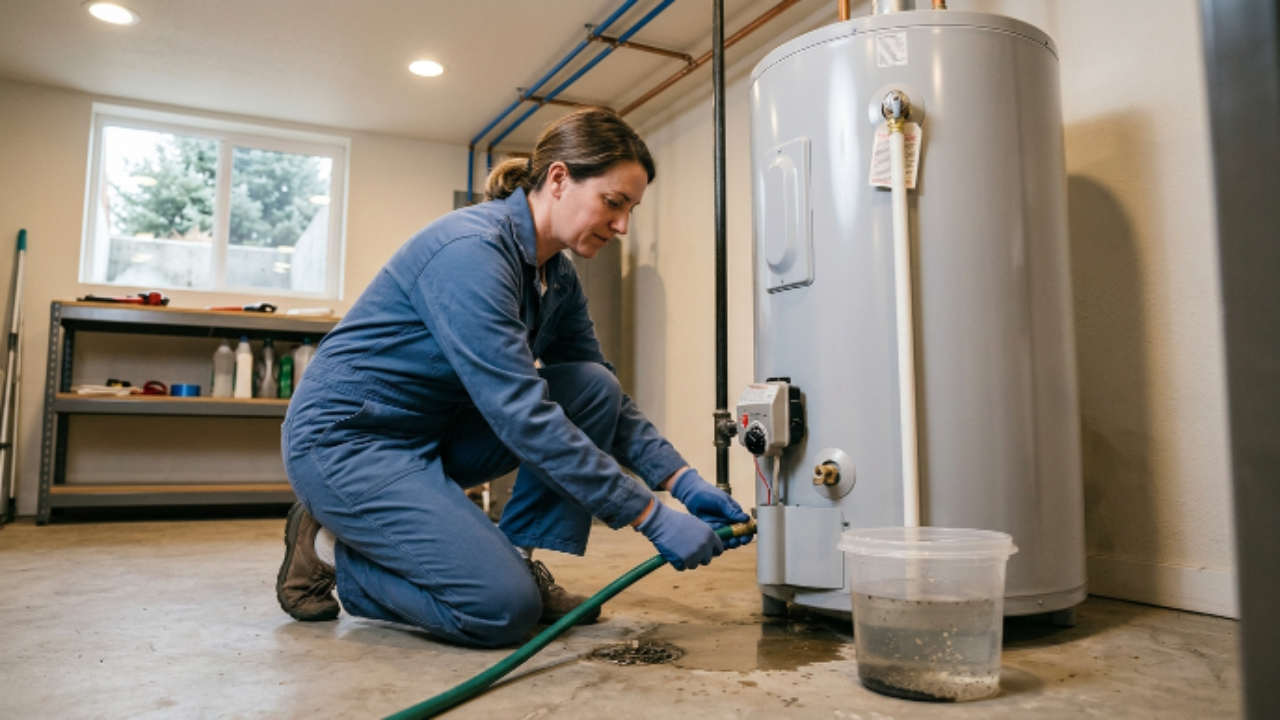
Replacing your anode rod on schedule is the single most impactful thing you can do to extend water heater life in Denver but it's not the only step. Here's a comprehensive maintenance approach that Denver homeowners should follow:
Annual tank flush: Remove sediment that settles at the bottom due to hard water minerals. This improves efficiency and reduces stress on components.
Pressure relief valve testing: Test annually to ensure this critical safety device opens and closes properly.
Temperature setting: Keep your water heater set to 120°F. Higher temperatures accelerate mineral buildup and component wear.
Water softener consideration: Installing a whole-home water softener dramatically reduces mineral buildup and can extend your water heater's life by 5+ years.
Insulation blanket: For older water heaters, an insulation blanket reduces heat loss and lowers energy costs.
Professional annual inspection: A licensed Denver plumber can spot problems before they become emergencies and an annual service call costs far less than an emergency replacement.
When Anode Rod Replacement Isn't Enough: Water Heater Replacement in Denver
Sometimes, an anode rod replacement is too little, too late. Consider full water heater replacement if:
Your water heater is more than 10–12 years old
Rust-colored water persists even after flushing and rod replacement
The tank is actively leaking from corrosion holes (not connections)
Repair costs exceed 50% of a new unit's price
Heating efficiency has dropped significantly despite maintenance
Plunge Plus provides honest, no-pressure assessments of whether repair or replacement makes more financial sense for your specific situation. We also offer tankless water heater installation for Denver homeowners looking for a long-term, low-maintenance solution.
Not Sure If You Need a Repair or Full Replacement?
Our Denver water heater experts offer same-day diagnostics. We'll give you a straight answer, no upselling, no guesswork.
Call Plunge Plus or Book Online
Frequently Asked Questions: Anode Rod Replacement in Denver
How often should I replace the anode rod in my Denver water heater?
In Denver, we recommend inspecting your anode rod every 2 years and replacing it every 2–4 years due to the city's hard water conditions. This is more frequent than the national average of 3–5 years. If you've never had it inspected and your water heater is more than 3 years old, schedule a check as soon as possible.
How much does anode rod replacement cost in Denver?
Anode rod replacement in Denver typically costs between $150 and $350 when performed by a licensed plumber, depending on your water heater model, rod accessibility, and whether a tank flush is included. This is a fraction of the cost of a new water heater ($800–$2,500 installed), making it one of the best maintenance investments available.
Can I replace an anode rod myself?
Technically yes, if you're comfortable with basic plumbing. However, in Denver's hard water environment, rods often become severely corroded and fused to the tank threads, making removal without the right tools difficult or damaging. A professional plumber will also ensure the correct rod type is installed for your water chemistry and can identify other issues during the same visit.
What type of anode rod is best for Denver's hard water?
Magnesium anode rods are generally the most effective for Denver's water conditions because they offer higher galvanic activity. However, if your water has high sulfate content (which causes rotten egg smell), an aluminum/zinc alloy rod may be a better fit. A water quality test and professional assessment will determine the right choice for your specific home.
Will replacing the anode rod fix my smelly hot water?
In most cases, yes. Hydrogen sulfide odor in hot water is almost always caused by a reaction between a magnesium anode rod and sulfate bacteria. Switching to a zinc/aluminum anode rod typically eliminates the smell within a few days of replacement. If the odor persists, flushing the tank and treating for bacteria may also be necessary.
Does Plunge Plus service all Denver neighborhoods?
Yes. Plunge Plus provides water heater anode rod replacement and full water heater services across Denver, including Capitol Hill, Wash Park, Highlands, Baker, Stapleton, Aurora, Lakewood, Arvada, and surrounding Front Range communities. Same-day and next-day appointments are frequently available.
