Tankless Water Heater Denver Upgrade or Tank Comparison 2026
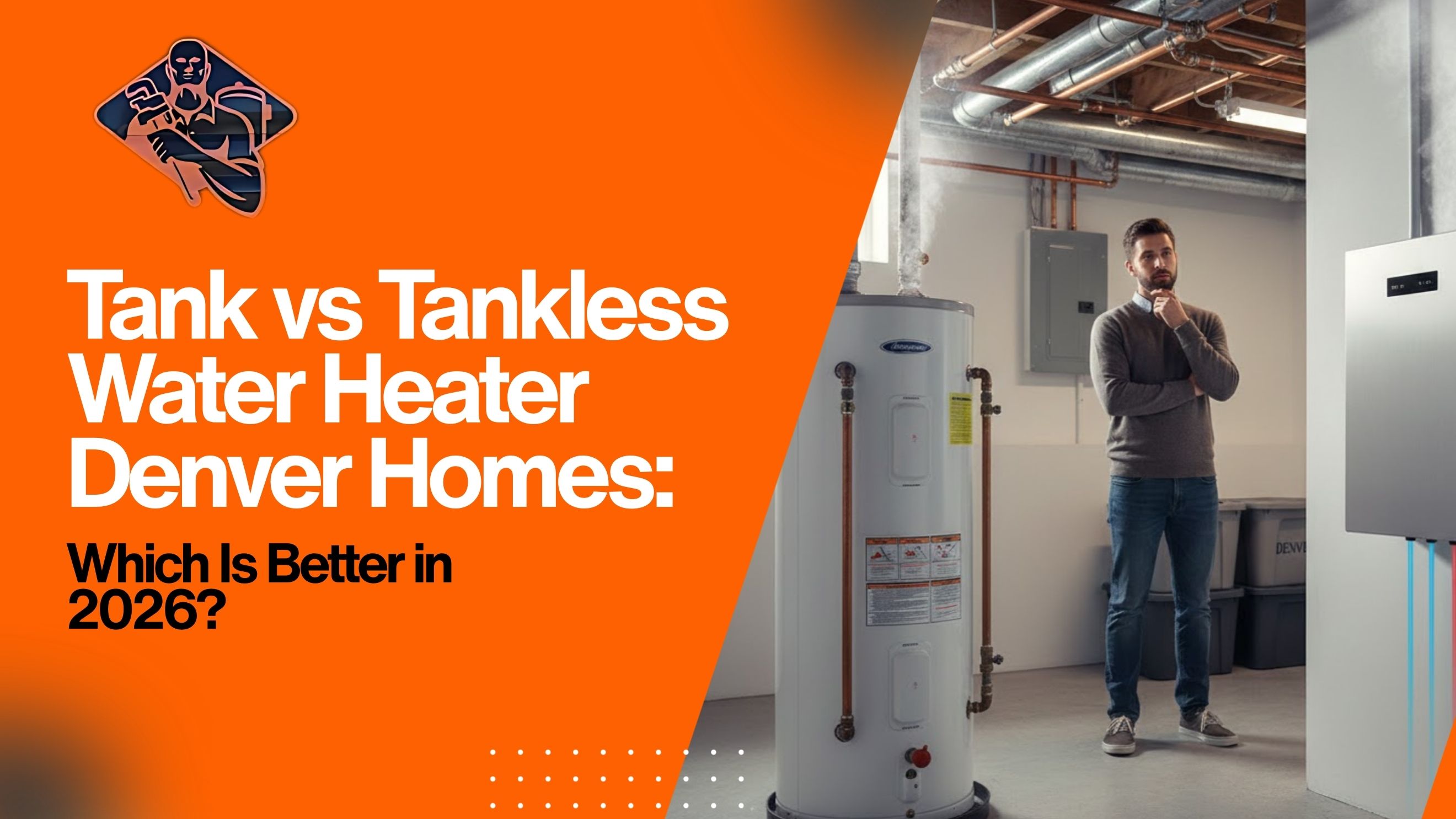
Tank vs Tankless Water Heater Denver Homes: Which Is Better in 2026?
Living in Denver means dealing with thin air and cold winters. Your home needs a strong water heater to stay comfortable. In 2026, many homeowners are looking for ways to save money. Utility bills are higher than ever before. You might be choosing between a standard tank and a modern tankless water heater Denver unit. Both have pros and cons for Colorado families. Upgrading your water heater helps your budget stay lean and efficient.
Plunge Plus Plumbing wants to help you choose the right system. This guide covers everything you need to know about 2026 trends. We will look at energy laws, costs, and local performance. Our goal is to make your choice easy and stress-free. Let’s look at how these systems work in the Mile High City.
Why Your Current Water Heater Might Be A Problem
Most old water heaters waste a lot of energy. They keep 50 gallons of water hot all day. This happens even when you are not home. This waste adds up on your monthly bill. In Denver, the groundwater is very cold in the winter.
Your heater must work hard to warm that water. If your tank is old, it might struggle to keep up. You may notice your showers getting cold too fast. This is a sign that you need a new solution.
Denver’s Unique Climate Challenges for Water Heaters
Denver sits at 5,280 feet above sea level. The air here is thin and has less oxygen. Gas water heaters need oxygen to burn fuel correctly. At this altitude, a heater can lose some power. A unit built for sea level might struggle here. You need a system set up for high altitudes. This ensures the flame stays hot. It also prevents dangerous carbon monoxide from building up.
Act now before water damage spreads - call our emergency plumbers!
Dealing with Freezing Ground Water
In the winter, the Denver water is very cold. It enters your home at about 40 degrees. To get a hot shower, the heater must raise the temperature by 80 degrees. This is a huge jump for any machine. A tankless water heater Denver unit only uses power when you turn on the faucet. But it must be sized correctly to handle the cold winter flow.
Comparing Tank and Tankless Technology in 2026
When you look for a new heater, you see two main types. Each one fits a different kind of lifestyle. Comparing these units is about choosing the best results for your home.
Standard Tank Heaters: These are large metal cylinders. They store hot water until you need it. They are simple and cost less to buy.
Tankless Water Heaters: These hang on the wall and have no tank. They heat water as it flows through the unit. They provide an endless supply of hot water.
Heat Pump Water Heaters: These use electricity to move heat from the air into the water. They are popular in 2026 due to big rebates.
Pros and Cons of Standard Storage Tanks
Traditional tanks are still very common in Colorado. They are the go-to choice for many rental homes and small families.
Lower Upfront Cost: You will pay much less on installation day.
Easy to Replace: Most plumbers can swap a tank in a few hours.
No New Gas Lines: You usually do not need to upgrade your pipes.
Standby Loss: The main downside is that they waste energy all day.
Limited Supply: Once the hot water is gone, you have to wait for more.
Why a tankless water heater Denver unit is winning in 2026
Many Denver families are switching to tankless models this year. These units provide comfort that a tank cannot match. You gain back several square feet of floor space when the big tank is gone.
Unlimited Hot Water: You can take long showers without running out.
Longer Life: These units can last 20 years. Tanks usually only last 10 years.
Safety: There is no large tank that could leak and flood your basement.
Lower Bills: You only heat water when you use it. This cuts your gas or electric bill.
Investing in a tankless water heater Denver installation keeps your home eco-friendly.
2026 Water Heater Comparison Table
Use this table to compare the key differences between traditional tanks and modern tankless systems. It helps you see which unit fits your long-term budget and home space in 2026.
1.Feature
Initial Cost
Energy Use
Unit Life
Endless Water
Space Needs
2.Standard Tank
$1,200 – $2,000
Higher
8 – 12 Years
No
Large Floor Space
3.Tankless Water Heater Denver
$3,500 – $6,000
Much Lower
20+ Years
Yes
Small Wall Space
4.Heat Pump Tank
$3,000 – $5,000
Lowest
10 – 15 Years
No
Large Floor Space
Understanding New Colorado Laws and Tax Credits
In 2026, Colorado will have strict new rules for gas heaters. All new units must produce very low emissions. This helps keep our mountain air clean. This rule means some cheap old models are no longer for sale. New units are cleaner but can cost a bit more to build.
Federal and State Tax Rebates
The government wants you to save energy. You can get big tax credits for choosing high-efficiency models. In 2026, the federal tax credit can cover up to 30% of the cost. Colorado also offers state credits for heat pumps. At Plunge Plus, we help you find every rebate available. This can save you thousands of dollars on your new system.
Need urgent plumbing help? Call our emergency experts today!
How to Choose the Best Unit for Your Home
Selecting the right heater depends on your family's habits. Ask yourself these questions before you buy:
How many people live in your home? Large families need the endless flow of a tankless water heater Denver unit.
How many bathrooms do you have? Running two showers at once needs a high-flow heater.
What is your fuel source? Do you have gas or only electricity?
What is your budget? Think about long-term savings, not just today's price.
Using high-efficiency tools makes your house run better. It costs you less over time.
Why our team is your Denver expert
Our team has served the Denver area since 2009. We know the high-altitude quirks of our local neighborhoods. We do not just sell you a heater. We find the exact unit that fits your home's pipes and vents. Our technicians are trained in the new 2026 energy codes. We make sure your installation is safe and legal.
We treat every home like our own. We offer fair prices and honest advice. We want you to have hot water you can count on for years. Whether you want a tank or a tankless water heater Denver system, we are the team to call.
Maintenance keeps your hot water running
Flush your system once a year
Denver has hard water. Minerals can build up inside your heater. This makes it less efficient. You should flush your tank or heat exchanger every year. This keeps your warranty valid and prevents repairs.
Check the altitude settings
As mentioned, altitude matters. A professional should check your gas pressure every few years. This ensures your tankless water heater Denver unit burns fuel safely. It also prevents the system from wearing out too fast.
Conclusion
Upgrading your water heater is a smart move for 2026. Denver homes face unique challenges with cold water and thin air. A tankless water heater Denver unit offers endless water and saves money on bills. Standard tanks offer a simple and low-cost start. Both options are better than keeping an old, leaky unit in your basement. It takes some effort now but pays off for years.
Plunge Plus Plumbing is ready to help you today. We will guide you through the rebates and the tech specs. We want to make your Denver home the most efficient it can be. Contact us to schedule an inspection. Let's make sure your showers stay hot all winter long!
Frequently Asked Questions
Which unit handles Denver’s high altitude better?
Modern tankless models with altitude sensors adjust best to thin air. They ensure a safe and efficient gas flame at 5,280 feet.
How much will I save on my energy bill?
Most Denver homes save 25% to 35% with a tankless unit. You stop paying to keep a large tank of water hot while you sleep.
Will I have enough hot water in a freezing Colorado winter?
Yes, a correctly sized unit heats ice-cold intake water instantly. You will enjoy endless hot showers even on the coldest January mornings.
How much longer does a tankless heater last compared to a tank?
Tankless heaters typically last 20 years or more. This is double the 10-year average lifespan of a standard storage tank.
Are there tax rebates for water heaters in 2026?
You can claim a federal tax credit for 30% of the total project cost. Many local Denver utility companies offer extra cash rebates for high-efficiency upgrades.
