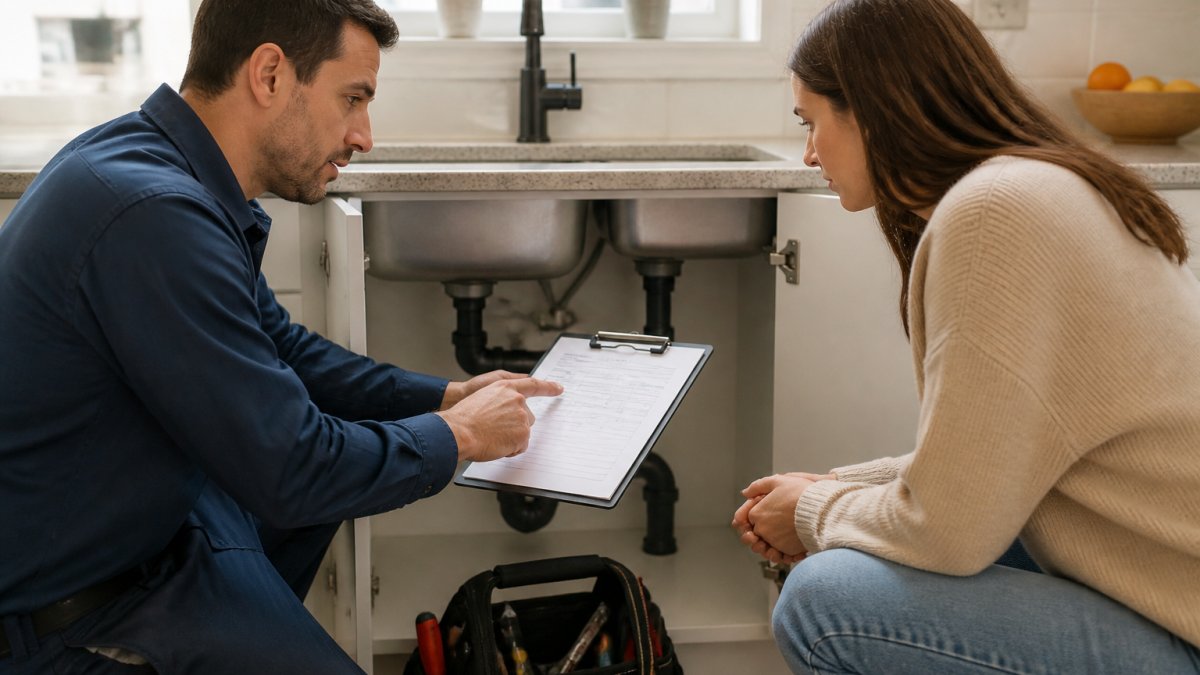
Upfront Pricing for Plumbing Repairs: Denver Guide
Table of Contents
- Why Upfront Pricing for Plumbing Repairs Changes Everything
- What a Plumbing Repair Estimate Should Include
- Understanding the Denver Plumber Service Call Fee
- How Flat-Rate Plumbing Pricing Works
- Questions to Ask a Plumber Before Hiring
- What Happens When the Job Costs More Than Quoted
- Frequently Asked Questions
Last Updated: October 9, 2026
Why Upfront Pricing for Plumbing Repairs Changes Everything
Most homeowners dread the same moment: the plumber finishes the work and hands over a bill that looks nothing like what was discussed. Upfront pricing for plumbing repairs solves that problem by fixing the cost before the wrench ever comes out. At Plunge Plus, we've built our entire Denver service around this principle since 2009, and it changes the conversation from "what will this cost me?" to "when can you start?"
The traditional model works like this: a plumber arrives, diagnoses the issue, then bills by the hour plus parts. The final number depends on how long the job takes, which nobody knows until it's done. Upfront pricing flips that. You get a firm number before work begins, and that number doesn't move unless you approve a change.
The difference matters most during emergencies. When a pipe bursts at 10 PM, you're not in a position to negotiate. A fixed quote protects you from that vulnerability.
What a Plumbing Repair Estimate Should Include
A complete plumbing repair estimate lists every cost you'll pay: the service call fee, labor, parts, permits if required, and any disposal charges. If a line item isn't on the page, ask about it before you sign.
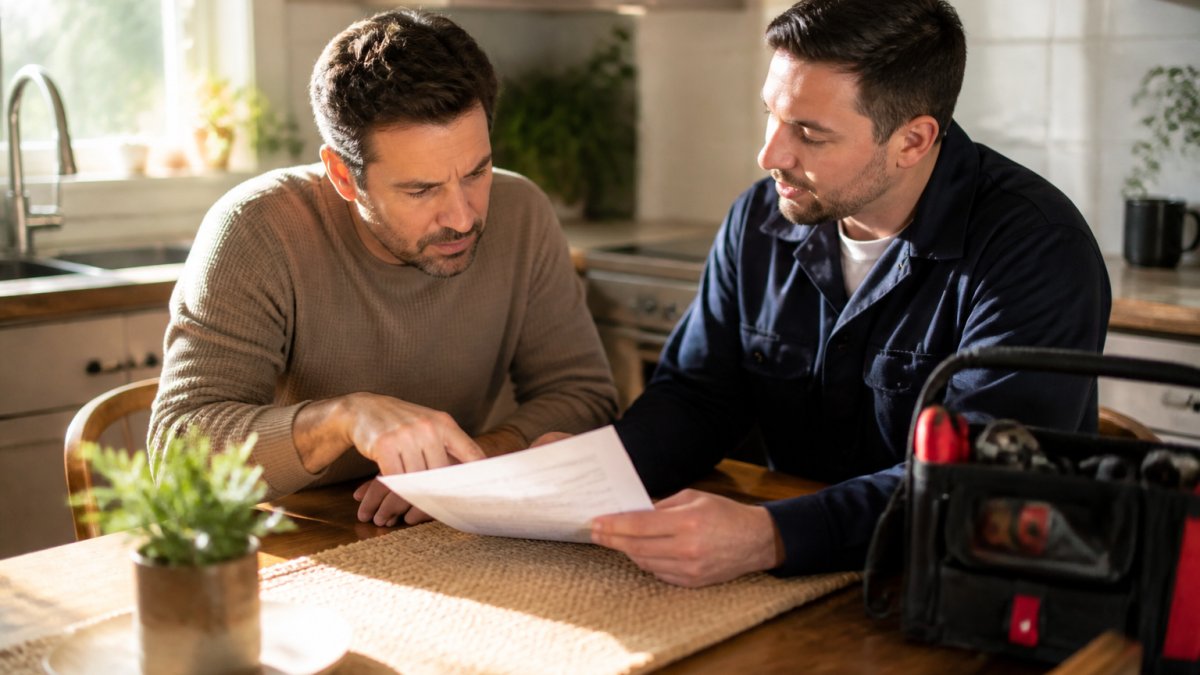
Line Items You Should See on Every Estimate
- Service call fee: The charge for the technician to arrive and diagnose
- Diagnostic time: Whether it's bundled into the call fee or billed separately
- Labor: Flat rate or hourly, stated clearly
- Parts and materials: Itemized, not lumped into "miscellaneous"
- Permits: Required for some water heater and gas line work
- Cleanup and disposal: Especially for old fixtures or debris
A vague estimate with one big number is a red flag. So is an estimate that says "starting at" without a ceiling.
Understanding the Denver Plumber Service Call Fee
The service call fee in Denver covers the technician's trip, diagnosis, and time to prepare a quote. It's separate from the repair itself, and it's often the most misunderstood line on the invoice.
Some providers waive the fee if you approve the repair. Others charge it regardless. Neither approach is wrong, but you should know which one you're getting before you book.
For homeowners in Westminster, Arvada, or Commerce City, ask whether the fee changes based on distance. A shop based in central Denver might add a trip charge for outer suburbs. A good provider will tell you upfront rather than surprising you at the door.
At Plunge Plus, we quote the service call fee when you book, so there's no ambiguity when the truck pulls up.
How Flat-Rate Plumbing Pricing Works
Flat-rate plumbing pricing assigns a fixed price to each specific job, regardless of how long it takes. Replacing a kitchen faucet costs the same whether it takes 45 minutes or two hours. The plumber absorbs the risk of a slow job; you get certainty.
This model requires the provider to publish a price book. Every common repair has a set number, and the technician quotes from that book on site.
| Pricing Model | How It Works | Best For | Risk To You |
|---|---|---|---|
| Flat rate | Fixed price per job | Homeowners who want certainty | None if scope is clear |
| Hourly | Time plus materials | Complex or unknown-scope jobs | Open-ended if job runs long |
| Hybrid | Flat rate with hourly overages | Jobs with hidden complications | Moderate, depends on cap |
Flat Rate vs. Hourly: Which Protects Your Wallet?
Flat rate protects you when the job runs long. Hourly protects you when the job is simple and fast. For most residential repairs, flat rate wins because you know the number before work starts.
Hourly pricing makes sense for diagnostic work or jobs where the scope genuinely can't be known until a wall is opened. In those cases, ask for a not-to-exceed cap.
Questions to Ask a Plumber Before Hiring
Ask these five questions before you book, and you'll avoid most billing surprises:
- Is the quote I'm getting a firm price or an estimate?
- What's the service call fee, and is it credited toward the repair?
- Are you licensed and insured in Colorado?
- What happens if the job costs more than quoted?
- Do you service my area, and is there a trip charge?
That fourth question is the one most homeowners forget. The answer tells you whether the provider stands behind their number.
For "plumber near me" searches, verify licensing through the state before you book. A licensed and insured technician gives you recourse if something goes wrong.
What Happens When the Job Costs More Than Quoted
A legitimate provider stops work and calls you when the scope changes. You approve the additional cost before the technician continues. That's the standard, and any provider who doesn't follow it is a problem.
Hidden complications do happen. A corroded pipe behind a wall, a shutoff valve that won't close, or a code issue discovered mid-job can all add cost. The difference with upfront pricing is that you approve each addition in writing before it happens.
If a provider finishes work and then presents a bill higher than quoted without prior approval, you have grounds to dispute it. Ask for an itemized breakdown and compare it to the original estimate.
Frequently Asked Questions
What does upfront pricing mean for plumbing repairs?
Upfront pricing means you get a firm, written price before any work starts. The plumber diagnoses the issue, then presents a flat-rate quote that covers labor and materials. You approve it before a wrench turns. No hourly clock, no surprise add-ons when the job runs long. Plunge Plus uses this model so you know the full cost before committing.
Do plumbers in Denver charge a service or diagnostic fee?
Many do, and the amount varies by provider. Some waive the fee if you approve the repair, others apply it toward the final bill. Always ask whether the Denver plumber service call fee is separate from the repair quote and whether it's credited back. That one question can save you money when comparing providers.
Can a plumber change the price after work begins?
A reputable plumber should not change the price without your written approval. If hidden damage appears, like a cracked pipe behind a wall, they should stop, explain the new scope, and give you a revised flat-rate quote. You decide whether to proceed. Any legitimate change gets documented before extra work happens.
Is flat-rate plumbing pricing better than hourly pricing?
For most homeowners, yes. Flat-rate plumbing pricing locks in the cost before work starts, so a job that takes longer than expected doesn't cost you more. Hourly billing rewards slow work and leaves you guessing at the total. Flat rate also makes it easier to compare quotes from different providers because you're looking at one final number.
Plumbing problems don't wait for a convenient time, and you shouldn't have to guess what a repair will cost. Plunge Plus provides transparent pricing, licensed and insured technicians, and service across Denver, Arvada, Westminster, Commerce City, and Wheat Ridge. We've been locally owned since 2009, and we fix it right the first time. Request service online and get a clear number before we start.
