Why Water Heaters Fail Early: Prevention Guide
Table of Contents
- Why Water Heaters Fail Early: Common Causes
- Water Heater Sediment Buildup and Its Impact
- Understanding Water Heater Lifespan and Aging
- How Often to Flush a Water Heater for Longevity
- Water Heater Anode Rod Replacement Essentials
- Warning Signs Your Water Heater Is Failing
- Preventing Early Failure: Maintenance Steps You Can Take
- When to Repair vs. Replace Your Water Heater
- Frequently Asked Questions
Last Updated: October 11, 2026
Why Water Heaters Fail Early: Common Causes
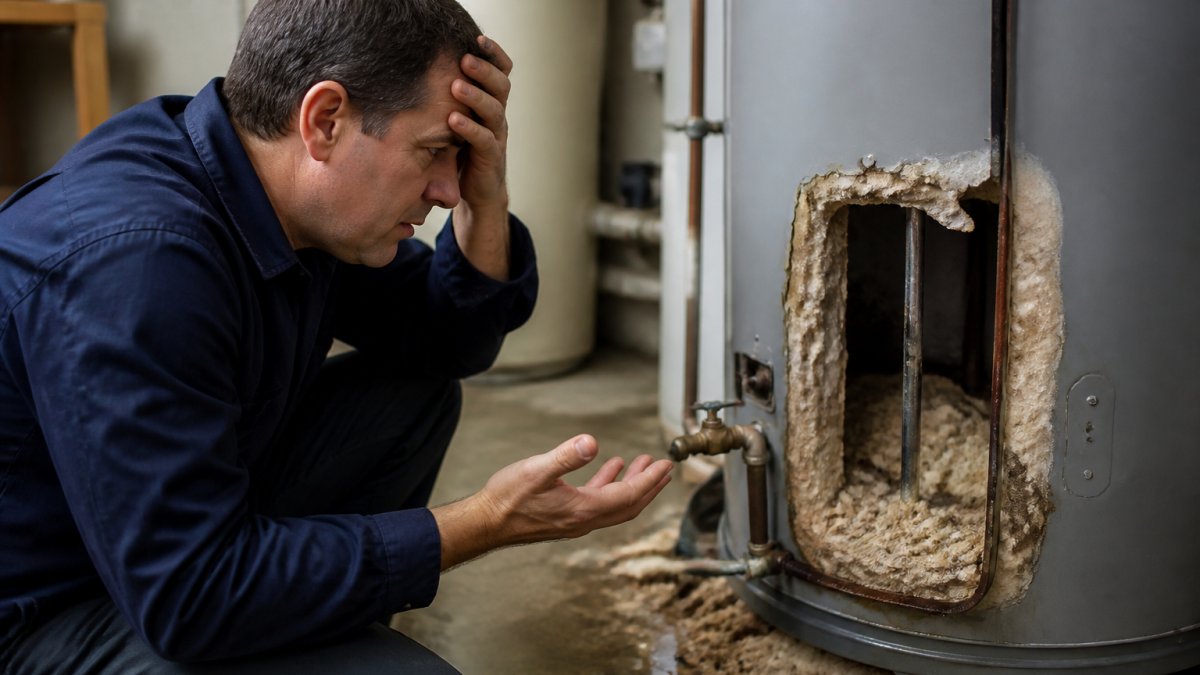
Water heaters fail early for several preventable reasons. Most homeowners don't realize that sediment buildup, corrosion, and lack of maintenance are the primary culprits behind why water heaters fail early. Understanding these causes helps you extend your tank's lifespan and avoid costly replacements.
The leading cause of premature failure is sediment accumulation inside the tank. Minerals in your water settle at the bottom, creating a thick layer that forces your heating element to work harder. This extra strain causes the tank to wear out years before it should.
Corrosion is another major factor. The anode rod inside your tank sacrifices itself to prevent rust. When this rod deteriorates completely, nothing protects the steel tank from corroding from the inside. Once rust spreads, failure is inevitable.
Temperature swings and pressure fluctuations also damage tanks prematurely. Rapid heating and cooling cycles create stress on the metal. Over time, this weakens the tank's structural integrity.
Water Heater Sediment Buildup and Its Impact
Sediment buildup is the silent killer of water heaters. This accumulation of minerals forms a hard layer at the tank bottom, reducing heating efficiency and creating rust spots.
When sediment builds up, your heating element has to work through this barrier to warm the water. This means higher energy bills and faster deterioration. The sediment also traps moisture against the tank bottom, accelerating corrosion.
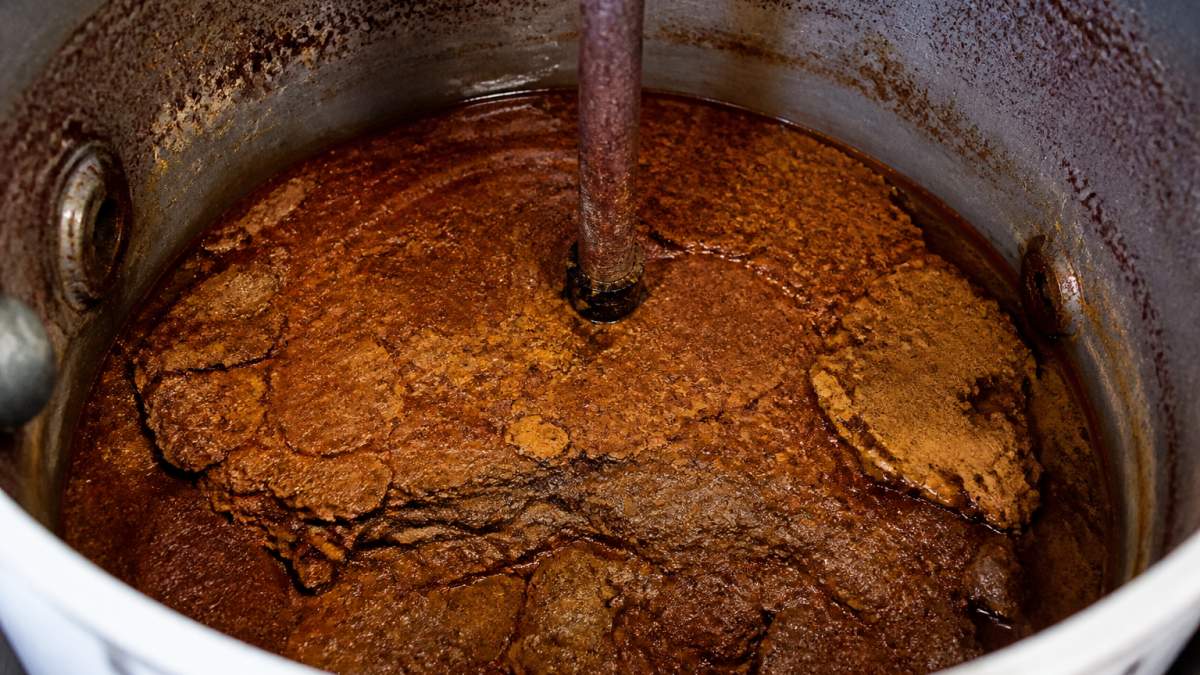
You'll notice the impact through:
- Reduced hot water output
- Popping or rumbling sounds from the tank
- Rust-colored water from hot taps
- Increased heating costs
The problem accelerates over time. What starts as a thin layer becomes an inch-thick crust within a few years. This is why regular flushing matters so much for extending your water heater's life.
Understanding Water Heater Lifespan and Aging
Most water heaters last between 8 and 12 years under normal conditions. However, many fail much earlier due to poor maintenance or harsh water conditions.
The aging process accelerates when you neglect maintenance. A well-maintained tank can reach 15 years. A neglected one fails at 5 years. The difference comes down to how seriously you treat preventative care.
Several factors affect how quickly your water heater ages:
- Water hardness (mineral content)
- Temperature settings
- Tank size and usage patterns
- Local water quality
Denver's water quality presents specific challenges. The mineral-rich water in the area speeds up sediment buildup compared to softer water regions. This means Denver homeowners need to be even more vigilant about maintenance.
As your water heater ages, the anode rod degrades faster. The tank develops micro-cracks. The heating element becomes less efficient. Once these signs appear, failure is approaching.
How Often to Flush a Water Heater for Longevity
Flushing your water heater annually is the gold standard for maintenance. This simple step removes sediment before it causes serious damage.
The best time to flush is during fall, before winter demand increases. Plan for the process to take 30-45 minutes. You'll need a hose, a bucket, and access to your water heater's drain valve.
Here's the basic process:
- Turn off the water heater and let it cool slightly
- Attach a hose to the drain valve
- Open the valve and drain 2-5 gallons into a bucket
- Close the valve and refill the tank
- Check that hot water flows normally
If sediment clogs the drain valve, don't force it. Call a professional to avoid damage. Many Denver homeowners find that annual flushing prevents 80% of early failure issues.
For those uncomfortable doing this themselves, Plunge Plus offers professional flushing services that ensure the job is done correctly and safely.
Water Heater Anode Rod Replacement Essentials
The anode rod is a sacrificial metal rod designed to corrode instead of your tank. When it's gone, your tank becomes vulnerable to rust from the inside out.
Most anode rods last 3-5 years before needing replacement. Signs it's failing include:
- Rotten egg smell from hot water
- Visible rust on the rod itself
- Rust-colored water from hot taps
Replacing the water heater anode rod replacement is straightforward for experienced homeowners, but many prefer professional help. The process involves:
- Draining the tank partially
- Removing the old rod from the top of the tank
- Installing a new rod of the same type and size
- Refilling and testing
Some tanks use aluminum rods, others use magnesium. Match the replacement material to your original. Getting this wrong reduces protection and speeds up corrosion.
Professional technicians can assess whether a standard rod or a powered anode rod is better for your situation. Powered rods last longer and work better with certain water conditions.
Warning Signs Your Water Heater Is Failing
Early warning signs give you time to plan a replacement instead of facing an emergency. Ignoring these signals means risking a tank failure that floods your home.
Listen for unusual sounds first. Popping or rumbling noises indicate sediment buildup or internal corrosion. These sounds get louder as the problem worsens.
Watch your water next. Rust-colored or cloudy hot water signals internal corrosion or sediment breaking loose. If this only happens occasionally, flushing might help. If it's constant, the tank is deteriorating.
Check for leaks around the base. Small drips often precede major failures. A puddle under your water heater means the tank is corroding through.
Your energy bills will climb as efficiency drops. A failing water heater works harder to maintain temperature. You might notice it takes longer to get hot water or the water doesn't stay hot as long.
Age matters too. If your water heater is past 10 years old and showing any of these signs, replacement is likely coming soon.
Preventing Early Failure: Maintenance Steps You Can Take
Prevention is far cheaper than replacement. A few simple steps each year keep your water heater running longer and more efficiently.
Start with annual flushing to remove sediment. This single step prevents more early failures than anything else. Mark it on your calendar each fall.
Check the anode rod every two years. If it's heavily corroded, replace it before it fails completely. This costs far less than replacing the entire tank.
Insulate the hot water pipes to reduce heat loss. This keeps water hotter longer and reduces strain on the heating element. Pipe insulation also prevents freezing during Denver winters.
Set your water heater temperature to 120°F. Higher temperatures accelerate corrosion and increase energy costs. Lower temperatures reduce strain on the tank.
Drain a few gallons quarterly to remove settling sediment. This quick maintenance task takes 10 minutes and prevents buildup between annual flushes.
Have a professional inspect your water heater every 2-3 years. Trained technicians spot problems early before they become expensive failures.
When to Repair vs. Replace Your Water Heater
Knowing when to repair and when to replace saves money and prevents future headaches. The decision depends on age, cost, and repair frequency.
If your water heater is under 7 years old, repairs usually make sense. Parts are affordable and the tank should have years left.
Between 7-10 years, evaluate repair costs carefully. If the repair costs more than half the price of a new unit, replacement is smarter. You're close to the end of the tank's life anyway.
Over 10 years old, replacement is almost always the right choice. Even if repairs work, you're living on borrowed time. Another failure could happen within months.
Consider repair frequency too. If you've had two repairs in the past year, replacement is coming regardless. Multiple failures signal the tank is failing systemically.
Emergency failures during winter create urgent decisions. Having a plan before this happens prevents panic and poor choices. Plunge Plus can help you evaluate your specific situation and recommend the best path forward, whether that's a repair or a full replacement with transparent pricing and professional installation.
Early water heater failure doesn't have to be inevitable. Most premature failures stem from preventable causes like sediment buildup and neglected maintenance. By understanding why water heaters fail early and taking simple preventative steps, you extend your tank's lifespan by years. If you're in Denver or the surrounding areas and need professional guidance on your water heater's condition, Plunge Plus offers licensed and insured technicians who can inspect your system, recommend maintenance, and handle repairs or replacements with transparent pricing and care for your home. Request service online to get started.
Frequently Asked Questions
Why do water heaters fail before their expected lifespan?
Water heaters fail early due to sediment accumulation, corrosion of the anode rod, hard water mineral deposits, and lack of regular maintenance. When these issues go unchecked, they accelerate tank deterioration and reduce efficiency. Most units fail 5-10 years earlier than expected when maintenance is neglected. Regular flushing and anode rod inspection can prevent many of these problems.
How often should I flush my water heater to prevent failure?
Flush your water heater annually, or every 6 months if you have hard water. Flushing removes sediment that settles at the tank bottom and causes corrosion, inefficiency, and premature failure. The process takes 30 minutes to an hour and involves draining the tank completely. If you're unsure about doing this yourself, a licensed technician can handle it quickly and ensure it's done correctly.
What does the anode rod do, and when should it be replaced?
The anode rod is a sacrificial metal rod that corrodes instead of your tank, protecting it from rust. It typically lasts 3-5 years depending on water quality and usage. Inspect it annually; if it's less than 1/2 inch thick or heavily corroded, replace it immediately. Replacing a worn anode rod costs far less than replacing an entire tank and is one of the most effective ways to extend your water heater's life.
Can hard water cause my water heater to fail early?
Yes, hard water accelerates failure significantly. Minerals in hard water settle as sediment in the tank, creating a layer of insulation that forces the heating element to work harder and overheat. This speeds up corrosion and reduces efficiency. If you have hard water, flush your tank every 6 months instead of annually, and consider installing a water softener to protect both your water heater and other appliances.
