How Do You Fix a Slow Drain Before Calling a Plumber?
Quick Summary
To fix slow drains yourself, start with a cup plunger, a hand snake, and a few minutes of firm plunging followed by hot water. Most slow drains come from grease, hair, or mineral buildup, so routine habits like using a strainer and avoiding grease in the sink prevent most of them. If basic tools fail or the drain keeps slowing, the clog may be deeper in the line and needs a licensed plumber.
- Work a cup plunger firmly for 20 to 30 seconds, then run hot water for a minute.
- Pour grease into a container and throw it away rather than down the sink.
- Use a mesh strainer in shower and bathroom sinks to catch hair.
- Flush drains with hot water once a week to loosen light buildup.
- Call a licensed plumber if the drain stays slow after several attempts or gurgles.
Table of Contents
- What Causes a Slow Drain in Denver Homes
- How to Fix Slow Drains Safely at Home
- Clogged Drain Repair: When Basic Tools Are Not Enough
- Plumbing Leak Repair: Signs a Slow Drain Is Something More
- Repair or Replace: Deciding Between a Fix and a New Pipe
- When a Drain Problem Becomes an Emergency Plumbing Repair in Denver
- Booking a Licensed Plumber for Your Next Drain Repair
- Frequently Asked Questions
What Causes a Slow Drain in Denver Homes
Last Updated: November 15, 2026
Learning how to fix slow drains early starts with noticing when water takes a little longer to disappear from the sink or tub. Most homeowners ignore it until the water pools. Residential plumbing repair often begins with exactly this early warning, and catching it sooner saves time and money.
Most slow drains come down to three causes: grease and soap buildup, hair and debris trapped in the pipe, and mineral deposits that narrow the opening over time. Each one builds gradually. Kitchen drains tend to clog from fats and food particles, while bathroom drains collect hair and soap scum. Denver's older housing stock adds another layer of risk, since aging pipes accumulate more residue and corrosion than newer installations.
Denver's expansive clay soil also plays a role. As the ground shifts with moisture changes, it can stress underground drain lines, causing slight misalignments or small cracks that trap debris. A drain that slows down repeatedly in one area of the home may point to this kind of underground movement rather than a simple clog.
How to Fix Slow Drains Safely at Home
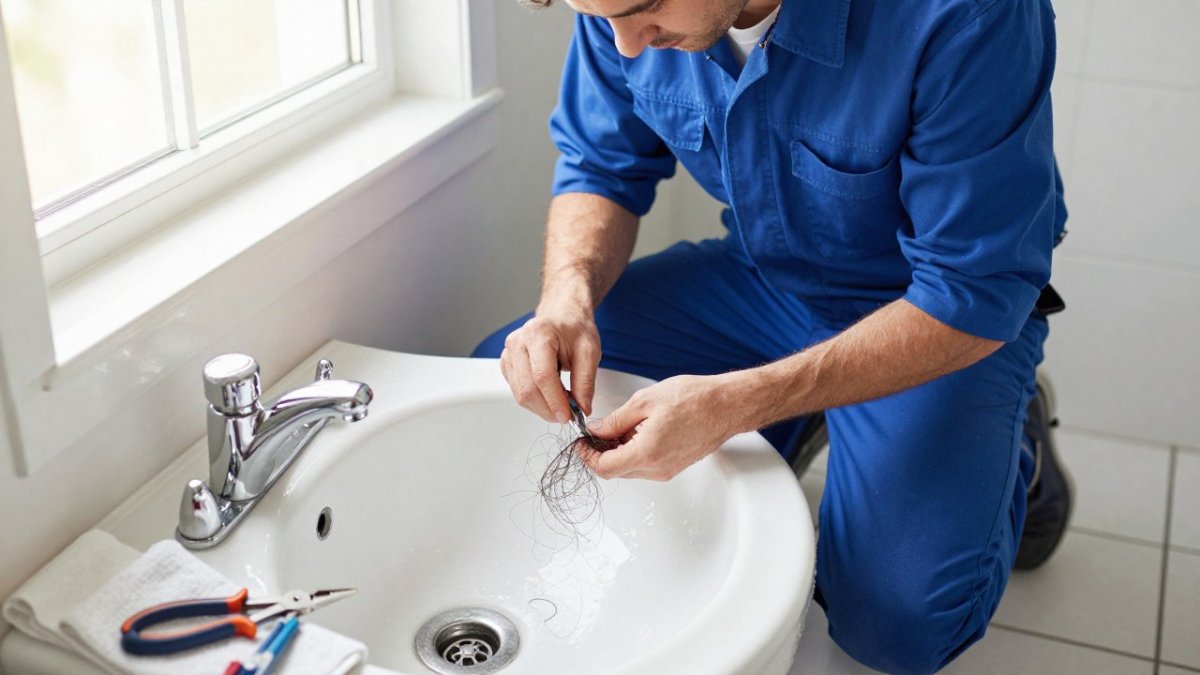
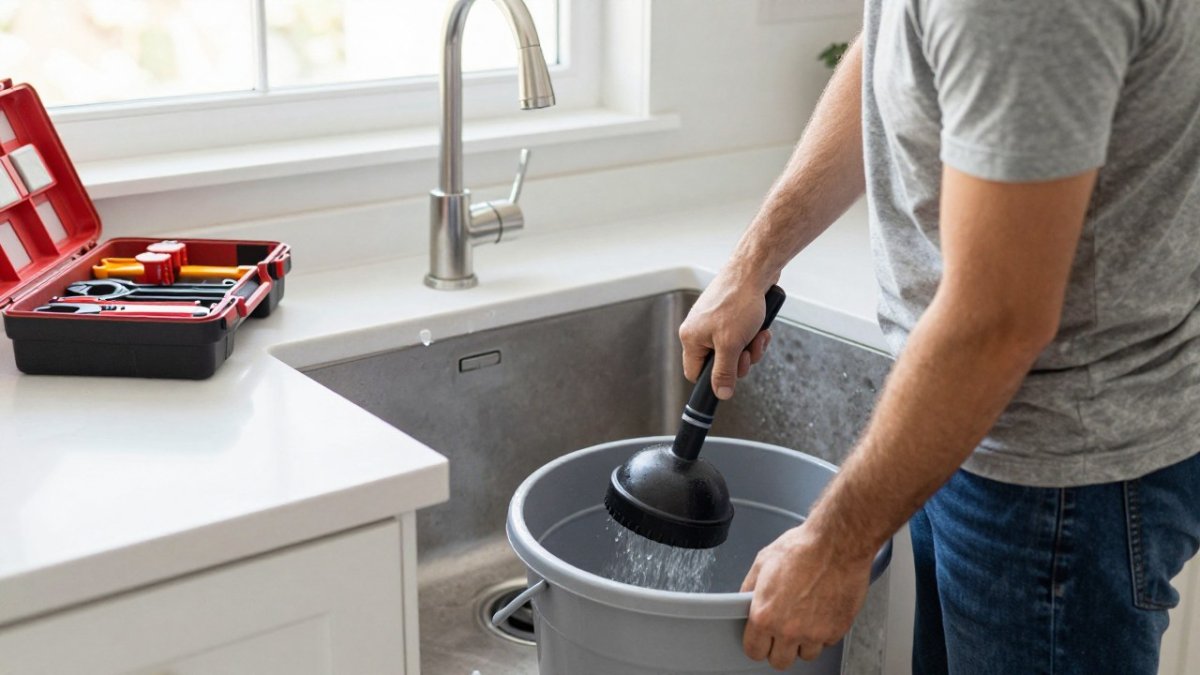
Start with the simplest tools. A cup plunger, a drain snake or auger, and a bucket cover most cases. Remove the stopper, clear any visible hair with gloved hands, and work the plunger firmly for 20 to 30 seconds. Then run hot water for a minute to see whether the flow improves.
Chemical drain cleaners are a common first choice, but they carry real risks. Read about safer alternatives to chemical drain cleaners for homes. Harsh caustic products can damage older pipes, and they can injure skin and eyes. If you use one, follow the label exactly, never mix it with other products, and avoid using it again if the drain stays blocked, since a stubborn clog may need a professional.
For routine maintenance, a few habits prevent most slow drains:
- Pour grease into a container and throw it away rather than down the sink.
- Use a mesh strainer in the shower and bathroom sinks to catch hair.
- Flush drains with hot water once a week to loosen light buildup.
Watch out: Never use a plunger on a sink with an overflow hole unless you cover the hole with a damp cloth, or you may push water and debris back into the basin.
The article lists the basic at-home steps and the routine habits that prevent most slow drains.
| Step | What to do | Time or frequency |
|---|---|---|
| Plunge | Work a cup plunger firmly | 20 to 30 seconds |
| Flush | Run hot water to check flow | One minute |
| Grease disposal | Pour grease into a container, not the sink | Every time |
| Hair catch | Use a mesh strainer in shower and bathroom sinks | Ongoing |
| Hot water flush | Flush drains with hot water to loosen buildup | Once a week |
Clogged Drain Repair: When Basic Tools Are Not Enough
If plunging and a hand snake do not clear the blockage, the clog is likely deeper in the line. Clogged drain repair from licensed plumbers can clear and repair the drain. A drain that stays slow after several attempts, or that gurgles when another fixture is used, usually points to a blockage in the main drain line rather than the trap under the sink.
At that point, a licensed plumber can use a motorized drain auger or camera inspection to find and clear the obstruction safely. Plunge Plus provides clogged drain repair from licensed, insured technicians. Repeated clogs in the same spot often signal a damaged or misaligned pipe that needs repair, not just cleaning.
Plumbing Leak Repair: Signs a Slow Drain Is Something More
A slow drain sometimes hides a leak. Learn how to find hidden water leaks with a step-by-step guide. Watch for these signs:
- A musty smell or damp spots on drywall, flooring, or cabinets near the drain
- Water stains on ceilings below a bathroom
- A water bill that rises without a change in usage
- Cracks in the foundation floor or a sudden change in how doors and floors fit
A hidden leak in a drain line can cause water damage and mold, and it can worsen soil movement under the foundation. If you see any of these signs, schedule leak detection before the problem grows. Leak detection and repair is available across Denver and nearby cities. Plunge Plus serves homeowners in Denver and surrounding areas.
Repair or Replace: Deciding Between a Fix and a New Pipe
The repair-or-replace call is the most expensive decision in residential plumbing repair, and it should rest on the pipe's condition and location, not on the size of the last bill. A single damaged section, a failed joint, or a localized clog can usually be spot-repaired. Replacement becomes the better choice when the pipe is corroded throughout, has repeated breaks in different places, or has been damaged by ground movement at several points along the run.
A licensed plumber should make the call with a camera inspection, not a guess. A drain camera shows whether the problem is a single obstruction, a cracked section, a misaligned joint from Denver's expansive clay soil, or root intrusion at a seam. That view separates a repair from a replacement before anyone quotes a price.
Use these factors to frame the decision:
- Extent of damage. One bad section favors a spot repair or a short reroute. Widespread corrosion, multiple cracks, or bellied sections favor replacement.
- Pipe material and age. Older galvanized steel and cast iron accumulate scale and corrosion internally, so flow keeps shrinking even after a clog is cleared. Copper and plastic lines generally last longer but can still fail at joints.
- Location. A pipe under a slab or behind a finished wall costs more to access, which can tilt the math toward replacement once the line is opened. An exposed basement or crawlspace line is cheaper to repair in place.
- Recurring problems. The same drain backing up two or three times in a year usually points to a damaged or misaligned pipe, not a cleaning problem.
- Water quality and pressure. Repeated pinhole leaks in copper can signal aggressive water chemistry or excessive pressure, which favors a broader fix rather than another patch.
Costs vary widely by scope, material, and access, and the right choice depends on the pipe's condition, which a licensed plumber should assess on site. Ask for an itemized written estimate that separates labor, parts, permit fees if any, and restoration work, so repair and replacement options can be compared on the same basis. For current pricing, check the Plunge Plus pricing page or request a quote.
When a Drain Problem Becomes an Emergency Plumbing Repair in Denver
Some drain problems demand immediate attention. Call an emergency plumber if you notice sewage backing up into tubs or floor drains, water rising in multiple fixtures at once, or a sewer smell that persists even after cleaning. These signs can indicate a main line blockage or a break that threatens your home. Sewage backup is more than a nuisance: it carries bacteria and pathogens, and standing wastewater can damage flooring, drywall, and cabinets within hours.
Denver's seasonal temperature swings add a specific risk. A sudden freeze can split a pipe that was already stressed, and the leak often appears only when the line thaws. If you see water staining, hear running water when no fixture is on, or notice a water bill jump after a cold snap, treat it as an active leak until a plumber confirms otherwise.
Before help arrives, take these low-risk steps:
- Shut off the water. Turn off the main shutoff valve if a pipe is actively leaking, and keep the area dry while you wait. Know where the valve is before you need it.
- Stop using fixtures. Do not run water, flush toilets, or use the dishwasher or washing machine once sewage is backing up, since more water worsens the overflow.
- Protect the area. Keep people and pets away from standing wastewater, wear gloves if you must move items, and ventilate the space.
- Document the damage. Photograph affected areas before cleanup for insurance purposes.
Watch out: Never pour chemical drain cleaner into a line that is backing up with sewage, and never attempt to open a main line cleanout yourself if water is rising, since the pressure can release wastewater unexpectedly.
Booking a Licensed Plumber for Your Next Drain Repair
Before you hire anyone, confirm the plumber holds a current license and carries liability insurance. Ask for a written estimate that lists labor and parts separately, and check whether the work includes a warranty. These steps protect you if something goes wrong after the visit.
Plunge Plus has served Denver and surrounding areas since 2009, with licensed and insured technicians and transparent pricing. If a slow drain has resisted your own efforts, request service online to schedule a visit.
Frequently Asked Questions
How much should a plumbing repair cost?
Plumbing repair costs vary with the problem, access, and time of day, so there is no single price that fits every home. A simple slow drain clearing usually costs less than a leak that requires opening a wall or digging up a line. Plunge Plus does not publish a fixed price list in this article; for current prices on common repairs, check the Plunge Plus pricing page on its website or request a quote before work begins. Ask for the price in writing so you know what is included before the technician starts.
What is the most common plumbing repair?
Clogged and slow drains are among the most frequent household plumbing problems, and they are often the first sign of a larger issue in the drain line. Starting with a simple drain check can prevent a minor clog from becoming a backup or a leak.
When should a homeowner call a plumber for a leak?
Call a licensed plumber when you see water stains spreading on a ceiling or wall, a water bill that rises without explanation, warm spots on a floor, or sounds of running water when no fixtures are in use. These signs often point to a hidden leak that cannot be fixed safely with household tools. Plunge Plus technicians are licensed and insured, so you can request service online.
How can you tell if a plumbing problem is an emergency?
A plumbing problem is an emergency when water is flowing uncontrollably, a sewer backup is entering the home, or a burst pipe is causing active damage. Shut off the main water valve first if you can do so safely, then call for emergency plumbing repair in Denver. Plunge Plus serves Denver and surrounding areas, so request service online and describe the problem so the team can plan the visit.

